Pigmentation spots on the face are a common skin concern that affects both women and men. Although small pigmentation spots on the face are harmless in themselves, they can be experienced as a cosmetic nuisance, especially when they are dark, large or unevenly spread.
In this extensive article you will read everything you need to know about pigmentation spots on the face: the causes, types, treatment and above all how you can have them removed safely and effectively.
What are pigmentation spots on the face?
Pigmentation spots appear because the skin produces more melanin than usual. Melanin is the pigment that gives your skin, hair and eyes their colour. When melanin builds up or is distributed unevenly, dark spots appear, also known as hyperpigmentation.
Causes of pigmentation spots on the face: why do pigmentation spots appear?
There are various factors that influence the development of pigmentation spots on the face. The most important are:
1. UV radiation
By far the most common cause of pigmentation spots on the face is UV radiation. Sunlight stimulates the production of melanin, which causes pigmentation spots, also called sun spots.
2. Hormonal changes
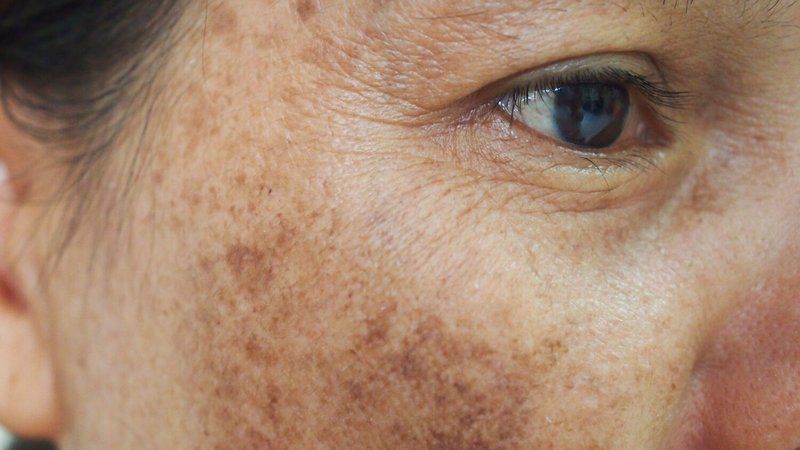
For example during pregnancy or when using contraception. This often causes melasma: irregular brown patches on the forehead, cheeks and upper lip.
3. Inflammation or acne
After small wounds, pimples or irritation, post-inflammatory hyperpigmentation (PIH) can develop.
4. Ageing
Over the years pigment is distributed less evenly, which causes dark patches. These are also called age spots.
5. Genetic predisposition
Some skin types are more prone to pigment formation than others.
Discover more about the causes of pigmentation spots and how best to prevent them in our other article.
What types of pigmentation spots are there?
There are different types of pigmentation spots. A correct diagnosis is important, because each form of pigment needs to be treated differently.
- Sun spots (lentigo solaris): Caused by UV damage.
- Age spots: Usually flat, evenly brown patches caused by skin ageing.
- Melasma: Hormonal hyperpigmentation, often irregular and symmetrical.
- PIH (Post-Inflammatory Hyperpigmentation): Spots after acne, eczema or irritation.
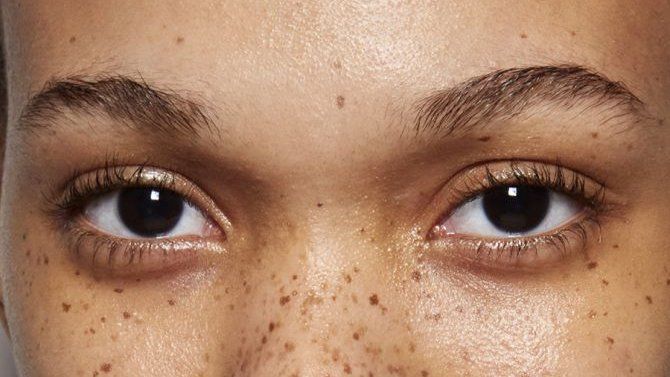
- Freckles (ephelides): Harmless and genetically determined, but sometimes a cosmetic nuisance.
White pigmentation spots on the face
White pigmentation spots on the face appear when too little melanin is produced, which makes certain areas of skin lighter in colour than the rest. This form of white pigmentation can be caused by sun damage, fungal infections such as pityriasis versicolor or skin problems such as eczema, among other things. Unlike dark pigmentation spots, pale pigmentation is often harder to treat, because the pigment cells are less active or even absent.

Removing pigmentation spots on the face: what are the options?
Not every treatment works for every type of pigment. Below we tell you exactly what you can do to remove pigmentation spots on the face.
1. Laser treatment for pigmentation spots on the face (most effective & fast)
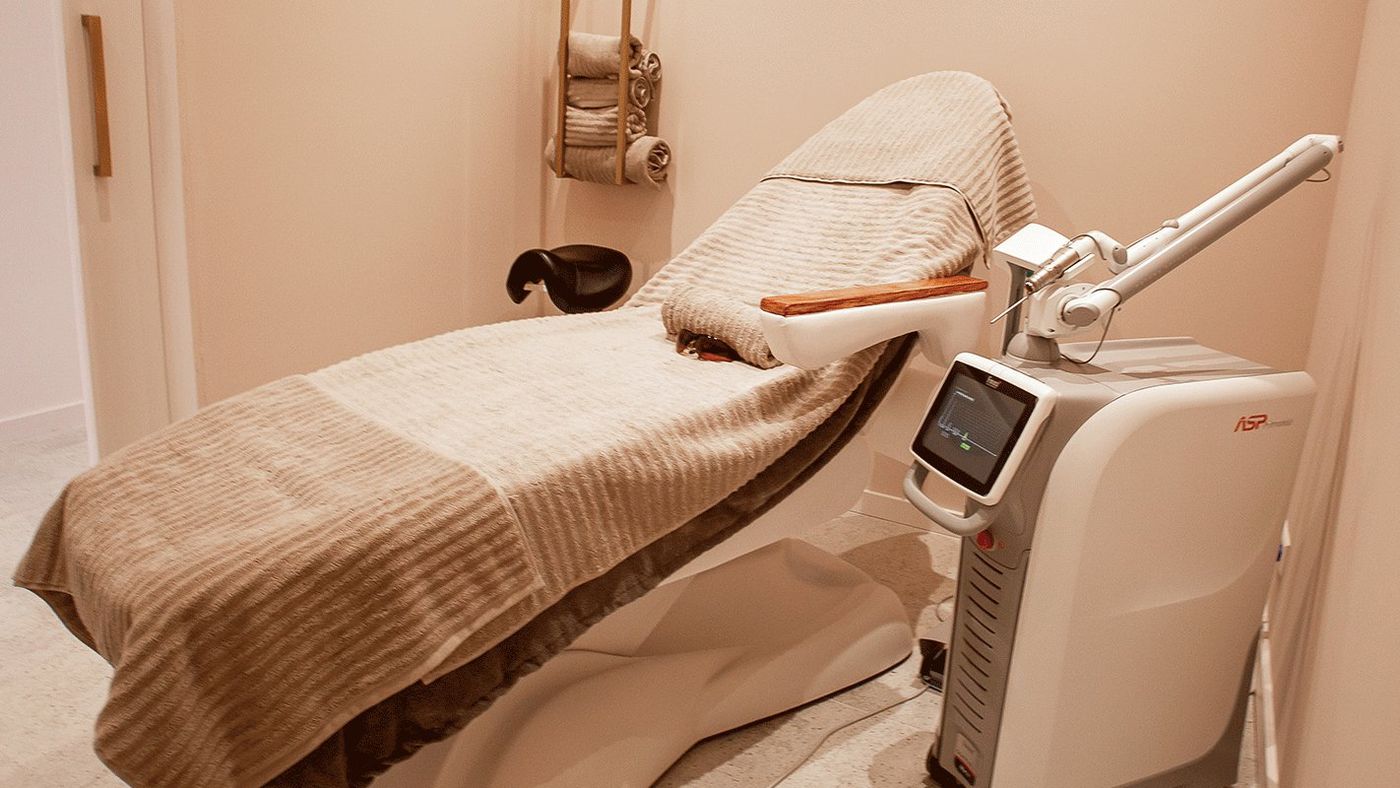
Lasering pigmentation spots away is the most effective and safe treatment for many types of pigmentation spots. Modern lasers target the pigment selectively, without damaging the surrounding skin.
Advantages of lasering pigmentation spots on the face:
- Quickly visible result
- Suitable for every skin type
- Minimal downtime
- Precise treatment
- Usually only 1 treatment needed
- Quick treatment
At New Skin Tattoo Removal we work exclusively with experienced and certified skin therapists and the most advanced laser equipment, which means we can treat everyone safely.
Do you want to get rid of your pigmentation spots safely and quickly? Have your pigment removed by laser at New Skin Tattoo Removal with advanced laser technology.
2. Chemical peel for pigmentation spots on the face
Stimulates cell renewal and brightens the skin. Particularly effective for melasma and superficial pigmentation.
3. Microneedling
Improves the skin structure and gradually lightens pigmentation spots.
4. Medical skincare with pigment-inhibiting ingredients
Ingredients that are proven to work:
- niacinamide
- vitamin C
- retinol / tretinoin
- azelaic acid
- kojic acid
- glycolic acid
These are mainly suitable for mild pigmentation spots or as an additional treatment.
5. Freezing pigmentation spots on the face
Pigmentation spots on the face can in some cases be frozen with cryotherapy, in which the dermatologist uses liquid nitrogen to destroy the pigment cell. This method works mainly for superficial, well-defined age spots, but is less suitable for melasma or diffuse pigmentation.
6. Camouflaging pigmentation spots on the face
You can temporarily camouflage pigmentation spots on the face with a high-coverage concealer or a colour-correcting primer, such as a peach or yellow shade that neutralises the dark pigment. Although camouflage is not a treatment, it does give you a more even, fresh complexion straight away.
7. Removing pigmentation spots on the face naturally: does it really work?
It is often said online that you can remove pigmentation spots on the face naturally with, for example, lemon juice or apple cider vinegar. We strongly advise against this. Lemon juice or vinegar can actually irritate the skin, which makes the pigment you wanted to reduce worse instead.
Preventing pigmentation spots on the face
Preventing pigmentation spots is easier than treating them. Unfortunately it is not always possible to prevent pigmentation spots on the face, but you can:
✔ Always use SPF 30/50
Daily, in winter too.
✔ Pigment-inhibiting skincare
Especially if you build up pigment quickly.
✔ Avoid sun on pigmentation spots
UV activates melanin.
✔ Never scratch or pick at inflamed skin
This causes PIH.
Are pigmentation spots on the face dangerous?
In most cases pigmentation spots on the face are not dangerous and pose no risk to your health. Still, it is important to keep a close eye on changes when:
- the pigmentation spot grows quickly
- the colour changes
- the edges are irregular
- the spot bleeds or itches
This can point to other skin conditions. In such cases it is wise to consult a dermatologist.
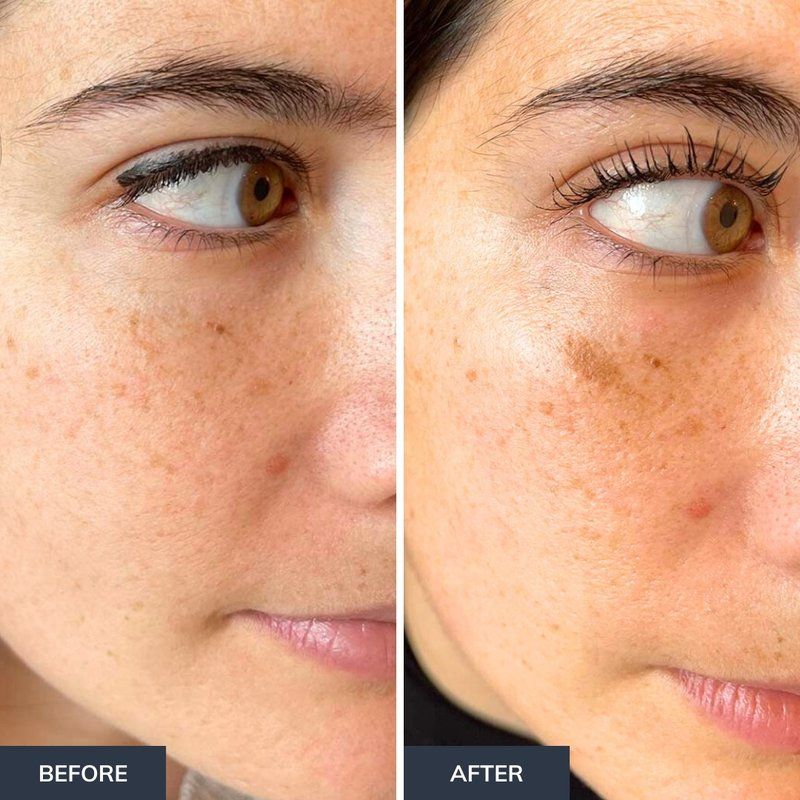
Looking for the best clinic in Amsterdam for removing your pigmentation spots? At New Skin Tattoo Removal we work with the best laser techniques and certified skin therapists.
Having pigmentation spots on the face removed at New Skin Tattoo Removal
Do you have pigmentation spots on your face? Although there are many treatments, laser therapy remains the fastest and most effective method for removing pigmentation spots safely. At New Skin Tattoo Removal you are assured of:
- free consultation
- most advanced laser, StarWalker
- tailor-made treatments
- results-driven approach
- experienced and certified skin therapists
- Proven results
Would you like to have the pigmentation spots on your face lasered? Our skin therapists are ready to help you. Book a no-obligation free consultation and we will be happy to help you further.